
When the sun sets over a British woodland, a different world stirs. Bats flit between the trees, moths emerge to feed on nectar, and owls call across the canopy. This nocturnal web is as vital as the daytime one, but it's under threat from something many of us barely notice: artificial light. The glow of a single security lamp or an unshielded garden light can spill hundreds of metres into a wood, disrupting the lives of creatures that have evolved in darkness. Dark skies aren't just for astronomers; they are a cornerstone of woodland conservation.
Moths are among the most affected. Many species are drawn to bright lights, circling until exhausted or eaten by predators. This night-time distraction stops them feeding, mating and laying eggs. Since moths are key pollinators and a vital food source for bats and birds, the knock-on effects are huge. A woodland with too much light can lose a significant portion of its moth population, which in turn starves the very bats we treasure.
Bats suffer directly. Most British bats are light-shy, especially the rarer species like the lesser horseshoe. They avoid lit commuting routes and feeding areas, which fragments their habitat. Slow-flying bats may abandon roosts if the entrance is lit. Even fast-flying species like pipistrelles, which sometimes hunt around streetlights, are at risk from increased predation and disrupted foraging. In short, light pollution turns a rich woodland into a series of disconnected islands.
Trees and woodland plants are not immune. Artificial light at night can fool trees into holding their leaves longer in autumn, delaying the onset of dormancy. This makes them vulnerable to frost damage and disrupts the nutrient cycle. In spring, light can cause buds to burst early, before pollinators are active. Wildflowers may flower out of sync with the insects that depend on them. Even the timing of leaf fall affects soil microbes and the decomposition that feeds the wood.
Research in British woodlands has shown that light levels as low as 0.1 lux – roughly the brightness of a full moon – can trigger these changes. That's far dimmer than a typical streetlight. The subtlety is the problem: we rarely notice the slow shift in plant cycles, but the effects ripple through the entire ecosystem.
You don't need to live in a dark sky reserve to make a difference. Whether you manage woodland, live nearby, or just enjoy walking there, here are steps that work:
These changes are simple, cheap, and often save energy. They also protect human health and make our nights more magical.
If you want to experience a woodland at night, you can do so without disturbing its inhabitants. Use a red torch or fit a red filter over a white one – most nocturnal animals are less sensitive to red light. Keep noise to a minimum, stick to paths, and avoid using camera flashes. The best times are just after dusk and just before dawn.
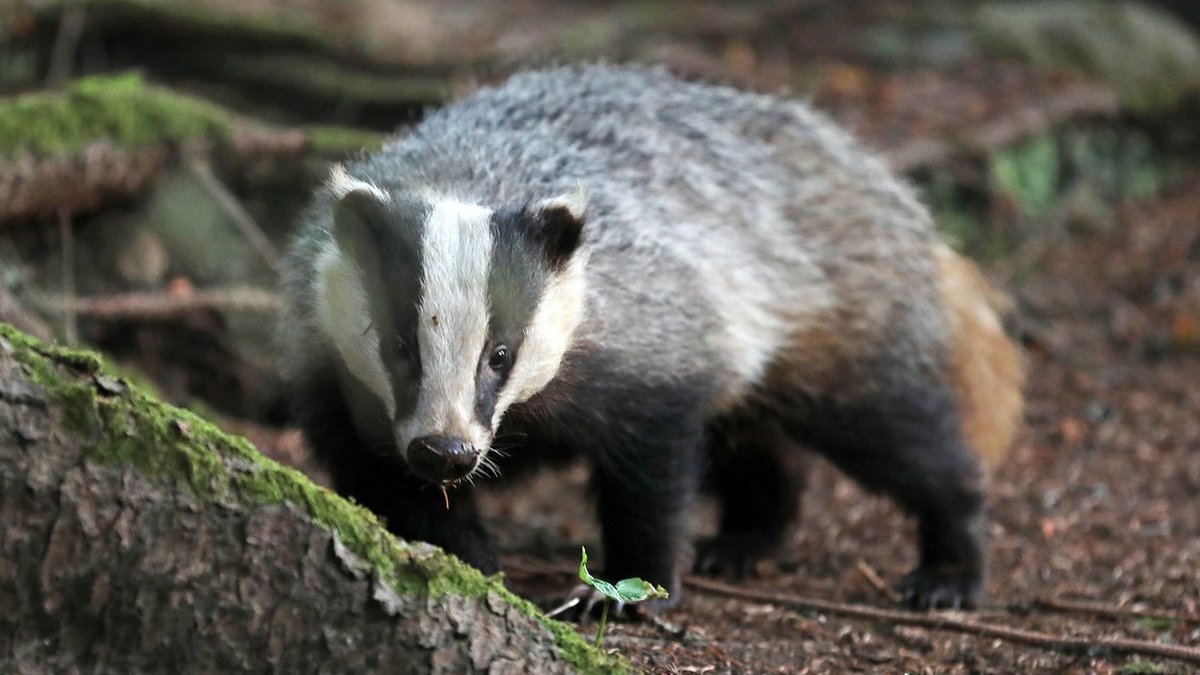
Look for bats emerging from roosts, listen for the churring of nightjars on heathland edges, and watch for glow-worms in damp hedgerows. Badgers and deer may cross your path if you're quiet. Remember: you are a guest in their home. The less light you bring, the more you'll see.
Dark skies are not an amenity; they are a habitat. By shielding lamps, switching off unnecessary lights, and supporting dark sky friendly policies, we give moths, bats, plants and countless other species the night they need. Every woodland is part of a wider landscape, and every unlit window helps connect it. So next time you reach for a light switch, ask yourself: does this need to be on? The answer will often be no – and the woodland will thank you.

Hi, my name is Anthony kuber. I am artist and fashion designer.
I love to travel and writing blogging.
Your email address will not be published. Required fields are marked *
Software Developer & Writer
Hey, I'm Diva, a developer and writer blending code and creativity. I'm driven by a deep curiosity and a relentless pursuit of excellence. Join me as I craft digital solutions and captivating stories.


