
In daylight a bluebell wood is a spectacle. At night it becomes something quieter and stranger. The flowers close down their colour and take on a silvery, almost grey-blue glow under a bright moon, and the whole wood seems to hold its breath. What changes most, though, is the scent.
On a still evening in late April or early May, cool air sinks into the hollows and hollows out the places between the trees, and the perfume of bluebells pools there like water. It is sweet, faintly green, a little like hyacinth with something earthier underneath. Warmth lifts scent upwards; cold settles it low, so you often meet bluebells at nose height on the path long before you see the carpet. Some of this perfume is aimed at night-flying moths as much as at you — the flowers open in daylight for bumblebees, but the fragrance carries on working after dusk.
Timing matters more than luck. A few practical pointers from years of muddy boots:
This is the part that matters. A bluebell carpet is far more fragile than it looks, and it takes years to recover from a single careless spring.
The good news is that the scent travels. You do not need to be standing in the middle of the flowers to enjoy them — a slow walk along the edge is the better experience, and it leaves the wood intact for the next visitor and the next spring.
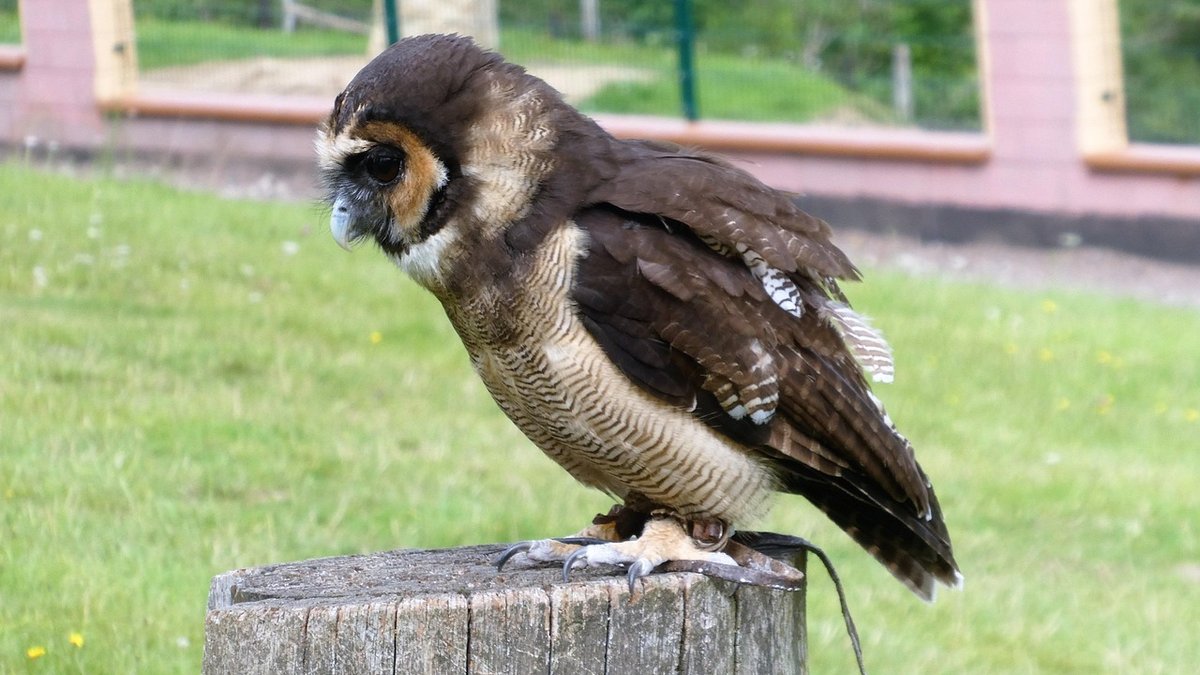
Stand still for twenty minutes and the wood fills up. Tawny owls begin with the female's sharp ke-wick and the male's soft, wavering hoot; listen for the difference. Woodcock rode out at dusk along the rides, giving their odd croaking call as they fly. Bats appear as the light goes: pipistrelles flickering along the path edges, noctules high and fast against the last of the sky, Daubenton's skimming low over any pond or stream.
Below them, badgers shuffle through the undergrowth, roe deer step out onto the rides, and foxes scream in a way that has frightened newcomers out of their wits for centuries. In southern woods in midsummer, glow-worms glimmer in the grass on the verges. Moths come to the bluebells and to the blossom above them. Take a bat detector if you have one; the clicks and smacks as it translates echolocation into sound are a whole second wood layered over the first.
Wear more layers than you think you need and take a spare. Use a torch with a red filter, or cover a white one with red tape — white light wrecks your night vision for twenty minutes and disturbs animals. Speak softly, shut gates, take litter home. Check for ticks on your legs and arms afterwards, and remove any you find with fine tweezers; spring and summer are peak season. Tell someone where you are going and take a charged phone, even in a wood you know well.
Woodland stargazing is a game of gaps. Find a clearing, a wide ride or a coppiced coup, and let your eyes adapt for a full half hour. In spring, Arcturus hangs high and orange, the Plough tips over towards the horizon, and Leo stands overhead with its sickle of stars. The Lyrids peak in late April and the Eta Aquariids in early May, so a meteor over a moonlit bluebell carpet is a genuine possibility.
Use the trees as a frame rather than a nuisance: the silhouette of oak branches against a bright moon is half the pleasure. And remember the wood hears you long before it sees you. Walk slowly, breathe in, and let the bluebells do the talking.

Hi, my name is Anthony kuber. I am artist and fashion designer.
I love to travel and writing blogging.
Your email address will not be published. Required fields are marked *
Software Developer & Writer
Hey, I'm Diva, a developer and writer blending code and creativity. I'm driven by a deep curiosity and a relentless pursuit of excellence. Join me as I craft digital solutions and captivating stories.


