
There is a particular kind of quiet in a British wood after dark. It is not silence. It is a layered soundscape: the hoot of a tawny owl, the tick of a leaf landing on a dry path, the distant hum of an A-road, and above it all, if the cloud breaks, a sky full of stars. Keeping a notebook of these nights turns a pleasant walk into a long-term record. Over months and years, you begin to see patterns — which owls call when, how wind changes the rustle of leaves, how a full moon alters both the light and the behaviour of wildlife. You do not need expensive equipment. A notebook, a pencil, a red-filtered torch and a thermos will do.
Start with a simple layout. Divide each page into columns, or use a double-page spread: one side for conditions, the other for observations. Before you write anything, stand still for ten minutes. Let your eyes adapt. Let your ears tune in to the layers — near, middle, far. Then record the basics.
Use a red light to write; white light kills night vision and disturbs wildlife. A phone voice memo can help, but keep the notebook as your primary log.
British woodlands at night are full of clues. The most obvious are the owls. A tawny owl gives the classic ke-wick followed by a quavering hoo-hoo-oo; the female often answers with a sharp ke-wick alone. Barn owls let out a harsh shriek that is easy to mistake for a fox. Little owls yelp and miaow. Note the direction and distance of each call. Does it move? Is it answered?
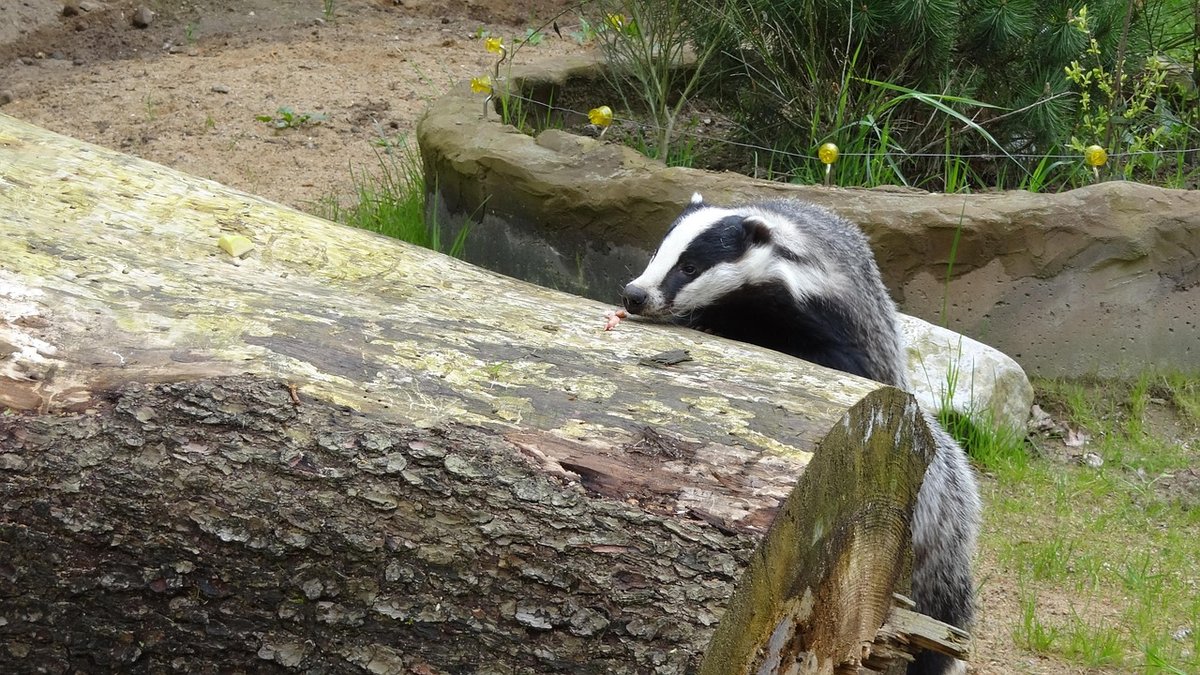
Rustling leaves are trickier. Wind gives a steady, sweeping rustle that rises and falls with the gusts. An animal gives a shorter, more irregular sound: a wood mouse in dry leaves, a badger pushing through bracken, a muntjac stepping delicately. A roe deer’s bark is a gruff cough. A fox vixen can scream like a human in distress. Write down what you think it is, then add a question mark. Later entries will help you confirm.
Distant traffic is part of the soundscape too. Note it honestly. A low, constant rumble from a bypass, the whine of a motorbike, the swish of tyres on wet tarmac. Over time you will notice that traffic quietens after 1am and picks up again around 5am. On still, frosty nights it carries much farther. That is not a failure of your wild experience; it is data. It helps you understand how sound travels through your wood and when human noise masks the smaller sounds.
Stargazing in woodland is different from stargazing in a field. The canopy frames the sky. You learn to use gaps — a clearing, a ride, the space above a pond — as windows. Find a spot where you can lie back or lean against a tree without craning your neck. Give your eyes twenty minutes to adapt. Then start with the obvious patterns.
In winter, Orion dominates the south, with its three-star belt and the red glow of Betelgeuse. The Plough points to Polaris in the north. In summer, Cygnus the Swan flies overhead, and Cassiopeia’s W shape sits in the north-east. The Pleiades are a small, misty cluster in autumn and winter. If you catch a meteor, note the time and direction. The Perseids in August and the Geminids in December are worth a special entry.
The moon matters. A full moon washes out faint stars but turns the wood into a silver-grey stage. You may see owls hunting by its light, or badgers crossing a ride. A new moon gives darker skies and better stargazing, but you will rely more on your ears. Record both. The combination of moon phase, cloud cover and wildlife activity is one of the most rewarding patterns to follow.
Weather is not background. It is a character in your diary. Wind direction changes what you hear: a south-westerly may carry traffic from a distant town, whilst a northerly brings cleaner air and sharper sounds. Rain on leaves creates a steady hiss that masks small rustles, but it also brings worms and slugs to the surface, so badgers and hedgehogs may be more active. Frost makes leaf litter crunch underfoot — and under paw. Snow quietens everything, then reflects the smallest light.
Season by season, the wood changes. In late winter, tawny owls begin courting and their calls increase. By March, great spotted woodpeckers drum in the daytime, and at dusk the first bats appear. In May and June, nightjars churr on heathland edges, and the dawn chorus starts absurdly early. Summer nights are short and bat-rich; pipistrelles flicker low over paths, noctules fly high and fast. Autumn brings the deer rut, with red stags bellowing and fallow bucks groaning. Winter returns to owls, frost and the brightest stars.
Write down the firsts: first churring nightjar, first bat, first hard frost, first daffodil in the lane. These are the markers that make a woodland diary worth keeping.

Hi, my name is Anthony kuber. I am artist and fashion designer.
I love to travel and writing blogging.
Your email address will not be published. Required fields are marked *
Software Developer & Writer
Hey, I'm Diva, a developer and writer blending code and creativity. I'm driven by a deep curiosity and a relentless pursuit of excellence. Join me as I craft digital solutions and captivating stories.


