
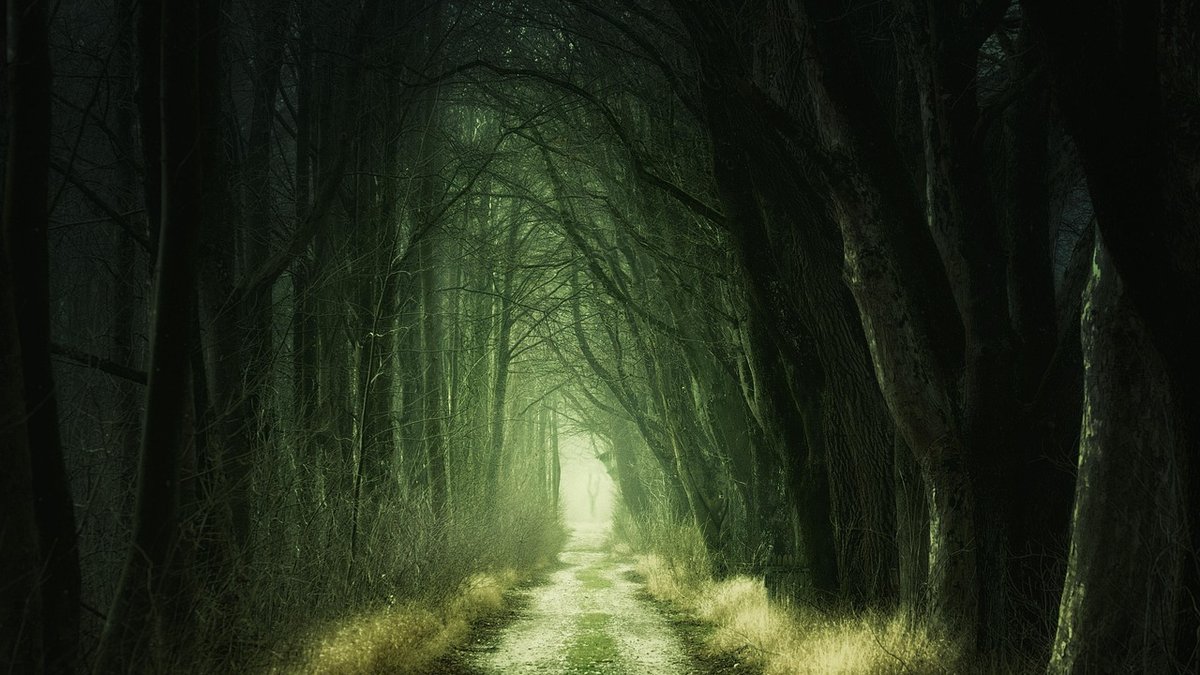
By mid-January, a British wood can feel like a place holding its breath. The leaf litter is soaked, the canopy is bare, and the summer chorus is months away. What changes is not the volume of the wood but the kind of sound in it — and from about now, the most reliable voice in the dark belongs to the tawny owl.
Tawnies hold territory all year and often pair for life, but their calling peaks in the weeks before nesting. Egg-laying usually begins in early March, sometimes late February in mild southern counties, so late January and February are the loudest window of the entire year. Males are reasserting boundaries, pairs are renewing bonds, and both birds are more willing to sit still and call from a familiar perch. Stand quietly at dusk for twenty minutes and you have a genuine chance of hearing them almost anywhere there are mature trees — and, with practice, of knowing which bird you are listening to.
The classic "twit-twoo" is not one owl. It is two, duetting.
Learn the male hoot first. Once you can pick it out, the female's answers start appearing in the gaps, and a wood that seemed empty suddenly has at least two owls in it.
Habitat matters more than luck. Look for mature broadleaved woodland with old oaks, ash, beech or sycamore, some standing deadwood, and open rides where birds can hunt at the edges. Churchyards, parkland and old hedgerow oaks all work, too — tawnies are tolerant of people and remarkably urban in places.
Listening is a skill of restraint. Put your back lightly against a big trunk — owls sometimes take a motionless human for a stump and carry on. Set your feet, then stop moving. Do not shuffle, do not lean on fences that creak, and keep gravel and crisp packets out of the equation.
Phone in your pocket, screen off. If you need light, use a red filter on its lowest setting. Cup your hands behind your ears to gather sound and turn your head slowly rather than your whole body. Your hearing genuinely sharpens after about ten minutes of silence, so give it that time before deciding the wood is quiet.
Leave the recordings at home. Playing calls back pulls birds off their normal routine and costs energy they can ill afford before breeding. Keep thirty to fifty metres from any bird that is calling, and if it falls silent as you approach, you are close enough already.
The owl is the headline act, but late winter woods are busier than most people realise.
Tell someone where you are going and when you expect to be back, carry a head torch with a red setting, and keep to the paths — roots and rabbit holes trip people more often than anything else does. Take a companion for your first few evenings, keep dogs on leads, and leave gates as you find them.
Above all, treat a calling owl as a piece of good fortune rather than a target. If you can hear both voices trading calls across a ride, you have found a pair holding territory they may use for years. Stand still, say nothing, and let the wood do the talking.

Hi, my name is Anthony kuber. I am artist and fashion designer.
I love to travel and writing blogging.
Your email address will not be published. Required fields are marked *
Software Developer & Writer
Hey, I'm Diva, a developer and writer blending code and creativity. I'm driven by a deep curiosity and a relentless pursuit of excellence. Join me as I craft digital solutions and captivating stories.


