
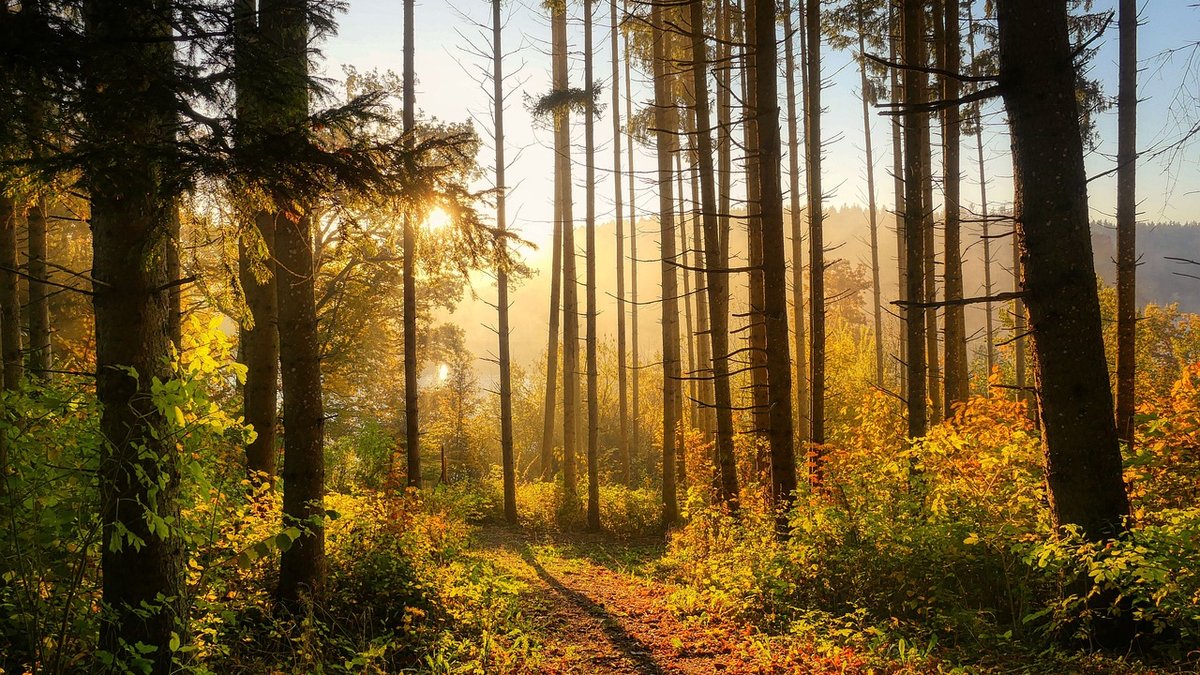
There's something magical about a British woodland after dark. The air cools, the scent of damp earth and pine rises, and the wood comes alive with rustles and hoots. But if you're new to walking at night, the biggest variable isn't your torch or your boots—it's the moon. Understanding its phases turns a stumble in the dark into a confident, safe adventure. The moon controls how much natural light you have, which shapes both your visibility and the behaviour of the creatures you hope to see. Get this right, and you'll plan safer routes, see more wildlife, and enjoy the stars without tripping over a root.
The moon takes about 29.5 days to cycle through its phases. For a night walker, think of it as a dimmer switch. At new moon, the sky is darkest—brilliant for stargazing but challenging for walking without a torch. A waxing crescent appears low in the west after sunset, a slender sliver that sets early. First quarter gives you half the moon, high in the south at dusk. Waxing gibbous is brighter still, rising in the afternoon and staying up most of the night. Then comes the full moon, rising at sunset and casting strong shadows through the trees. After that, the waning gibbous, last quarter, and waning crescent reverse the process, with the moon rising later each night and shrinking to a sliver before new moon returns. Each phase brings a different quality of light—soft, silvery, or almost absent.
The moon rises roughly 50 minutes later each day. That's the key to planning. If you want maximum light for a woodland walk, aim for the nights around full moon. The moon rises as the sun sets, giving you a bright, steady glow all evening. But be aware: a full moon can be so bright that it washes out the stars and makes nocturnal wildlife more cautious. For a darker, more mysterious walk, choose a night when the moon sets early—perhaps a waxing crescent that disappears by 9pm. Then you can enjoy deep darkness and excellent stargazing, but you'll need a torch for the path home.
Check a reliable moon phase calculator before you set out. Note the moonrise and moonset times, not just the phase name. A "half moon" rising at midnight is useless for an evening walk, whilst a thin crescent setting at 10pm might give you just enough light for the first hour. Also consider cloud cover: a bright moon behind thick cloud is no better than a new moon.
British woodlands are busy at night, and the moon influences who you'll meet. On bright moonlit nights, bats such as pipistrelles and Daubenton's often forage less, because their insect prey can see them coming. Tawny owls may hunt more by sound than sight, but a full moon helps them spot voles. Roe deer and muntjac tend to stay in cover on bright nights, whilst badgers and foxes are more active on dark, cloudy nights when they feel safer. If you want to see nocturnal creatures, a new moon or a waning crescent is often best—but you'll need patience and a red-filtered torch to avoid startling them.
Listen for the differences: on dark nights, the wood seems louder—more rustling, more hooting. On moonlit nights, it's quieter, as animals rely on concealment. The best strategy is to walk slowly, stop often, and let your eyes adjust.
When the moon is out of the way, British woodlands can offer surprisingly good stargazing. Find a clearing with a view of the southern sky. In autumn and winter, look for the constellation of Orion, with its bright belt and the reddish star Betelgeuse. In spring, Leo and Virgo dominate. Even without a telescope, you can spot the Andromeda galaxy as a faint smudge on a truly dark night. But remember: stargazing and night walking go hand in hand. A dark-sky walk lets you appreciate the Milky Way arching overhead, whilst a moonlit walk lets you see the woodland floor in silver detail. Try to plan a walk that starts in moonlight and ends in darkness—you'll get the best of both worlds.
Even with a full moon, carry a torch—preferably one with a red light mode to preserve your night vision. Wear sturdy boots, as roots and rocks hide in shadows. Tell someone your route and expected return time. A paper map and compass are wise; phone batteries die quickly in the cold. Dress in layers, as woodland temperatures drop fast after sunset. And walk with a friend if you're new to night walking. Finally, respect the wildlife: keep noise low, avoid shining white light directly at animals, and stick to paths to avoid trampling vulnerable plants.
With a little lunar planning, your evening walks will become safer, richer, and more connected to the rhythms of the natural world. The moon is not just a light in the sky—it's your guide through the woods.

Hi, my name is Anthony kuber. I am artist and fashion designer.
I love to travel and writing blogging.
Your email address will not be published. Required fields are marked *
Software Developer & Writer
Hey, I'm Diva, a developer and writer blending code and creativity. I'm driven by a deep curiosity and a relentless pursuit of excellence. Join me as I craft digital solutions and captivating stories.


