
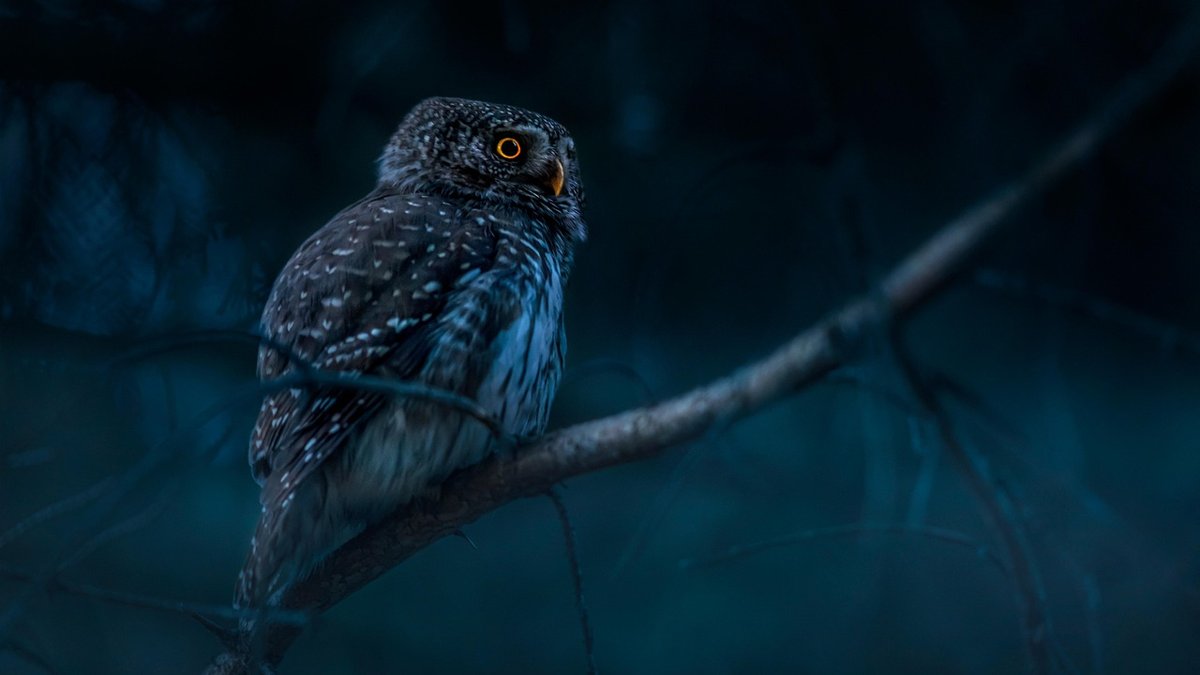
There's a particular magic to British woodlands after dark. The canopy opens to reveal a spill of stars, and the undergrowth rustles with creatures that keep sensible daytime hours. But a night walk is only enjoyable if you get back safely. The difference between a memorable evening and a miserable one – or worse – comes down to preparation. Choose well-marked paths, tell someone your plans, and carry a map. Avoid steep ground and dense undergrowth after heavy rain. Here's how to put those principles into practice.
Daylight is your ally. Walk your intended route in the afternoon if you can, or at least study a detailed map at the kitchen table. Look for public footpaths, bridleways and permissive paths that form a loop rather than an out-and-back. Loops are easier to navigate because you're not retracing steps in the dark, and they keep you moving in one direction.
Note any features that will help you confirm your position: a ford, a junction of tracks, a prominent oak, a ruined wall. In the dark, these become landmarks. Check the sunset time and the moon phase. A full moon can light your way; a new moon means you'll rely on torches. Also check the weather forecast – rain and wind make woodland paths treacherous and drown out the sounds that help you navigate.
British woodlands are crisscrossed with paths, but not all are rights of way. Stick to waymarked routes, which are usually indicated by coloured arrows, discs or fingerposts. These markers are often reflective, catching your torch beam. If you lose sight of them, stop and backtrack rather than pushing on through undergrowth.
If a path becomes overgrown or blocked, don't force a way through. Check your map for an alternative. Dense undergrowth hides holes, roots and barbed wire.
This is the single most important safety rule. Before you leave, tell a friend or family member your exact route, your expected return time, and what to do if you don't check in. Agree a time to send a text – even a simple "back safe" message. If you're walking alone, consider sharing your live location with a trusted contact if your phone allows it, but don't rely on signal in remote woodlands.
Carry a whistle and a fully charged phone in a waterproof pouch. Keep the phone in flight mode to save battery, but know how to turn it on for emergencies. A small emergency shelter or bivvy bag weighs little and can make a huge difference if you have to wait for help.
Screens are bright and drain batteries. A paper map – ideally 1:25,000 scale – shows field boundaries, contours and paths in detail. Pair it with a compass and know how to take a bearing. Practise at home until you can do it without thinking.
Use a red-light torch to read your map. Red light preserves your night vision, so you can still see stars and wildlife between checks. White light blinds you for several minutes. If you must use a white light, cover one eye to keep it adapted. A head torch with a red mode is ideal, leaving your hands free for map and compass.
British rain turns woodland paths into slipways. Steep ground – especially on clay or leaf litter – becomes dangerously slick. Dense undergrowth hides waterlogged hollows, exposed roots and rocks. After heavy rain, choose lowland routes on well-drained tracks, or walk on surfaced bridleways and forest roads instead of narrow footpaths.
Wear boots with deep tread and consider trekking poles for stability. If you must cross a steep slope, side-step rather than walk straight down. Test every foot placement before shifting your weight. And remember that tree branches become brittle after rain and wind – avoid walking under large limbs, especially in ancient woodlands with veteran trees.
Night walks are a privilege. Bats, owls, deer, badgers and foxes all use woodlands after dark. Keep noise to a minimum, use red light only, and never use flash photography. If you see a badger sett or a deer with young, give it a wide berth. Stargazing and wildlife watching go hand in hand: let your eyes adjust for twenty minutes, and you'll see more stars and more creatures.
Finally, leave no trace. Take all litter home, close gates behind you, and stick to the path even when you're tired. A safe night walk is one you can repeat – and one that leaves the woodland as wild as you found it.

Hi, my name is Anthony kuber. I am artist and fashion designer.
I love to travel and writing blogging.
Your email address will not be published. Required fields are marked *
Software Developer & Writer
Hey, I'm Diva, a developer and writer blending code and creativity. I'm driven by a deep curiosity and a relentless pursuit of excellence. Join me as I craft digital solutions and captivating stories.


