
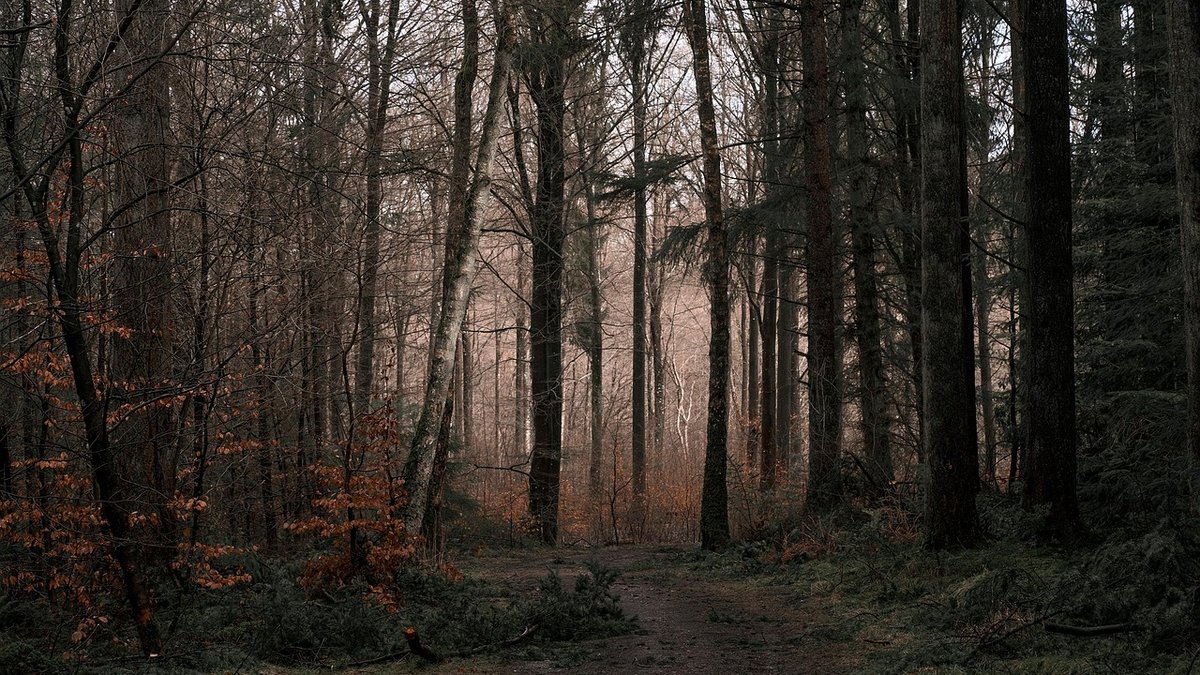
A badger sett is not a film set. It is a working home, often generations old, with tunnels that may run for tens of metres and entrances that the resident clan uses like doors to a house. Get too close, stay too long, or light the place up like a car park, and you will not only ruin your own chances — you may push a family group into abandoning part of the sett, or into staying underground when they should be out feeding.
The good news is that badgers are creatures of habit. Once you understand a sett's rhythms, you can photograph the animals honestly and repeatedly without ever affecting them. The trick is to work at a distance, in low light, and on their terms.
In the UK, badgers and their setts are protected under the Protection of Badgers Act 1992. It is an offence to intentionally or recklessly interfere with a sett — and that includes blocking, damaging or disturbing entrances, and disturbing an animal whilst it occupies a sett. Photographers occasionally trip over this without meaning to. Digging, moving spoil, or wedging yourself into an entrance to get a "nose poking out" shot is not worth the risk to the badgers or to you.
Work from public rights of way or with the landowner's permission, and if you are unsure whether a sett is active, treat it as active. A licence is needed for certain activities near setts; photography from a respectful distance is not one of them.
The single greatest kindness you can do a badger is to stay far away and let glass do the work. A hide placed 15 to 25 metres from a sett entrance is usually plenty with the right lens.
Settle on a spot that gives you a clear line to an entrance but keeps you off the main run. Badgers use paths — worn, narrow trails through the undergrowth — and sitting across one is the fastest way to be noticed.
Badgers rely heavily on smell and hearing. Wind matters more than cover. Check the forecast and approach so your scent is carried away from the sett — a crosswind is better than a following wind, and a still, damp evening is better than a gusty one.
Arrive at least an hour before sunset and settle in quietly. Badgers often emerge in the half-light, sniffing at the entrance for several minutes before committing. This is the moment to be completely still. Movement, not shutter noise, is what usually spooks them. A muffled shutter or electronic shutter mode helps.
Give the animals a line of retreat. If a badger emerges, freezes, stares and then bolts back down, you have pushed too hard — back off, and try again another evening from further away.
A relaxed badger goes about its business: grooming, scent-marking, ambling off along a run. A stressed one stops, sniffs the air repeatedly, stamps, or makes a sharp repeated bark. If you see any of that, stop shooting and withdraw quietly. It is not a failure. It is the whole point.
Pack out everything, leave no scent trails of food, and return the site to exactly how you found it. Photograph one clan responsibly for a season and you will build a portfolio no flash-lit snap could match — and the badgers will never know you were there.

Hi, my name is Anthony kuber. I am artist and fashion designer.
I love to travel and writing blogging.
Your email address will not be published. Required fields are marked *
Software Developer & Writer
Hey, I'm Diva, a developer and writer blending code and creativity. I'm driven by a deep curiosity and a relentless pursuit of excellence. Join me as I craft digital solutions and captivating stories.


